
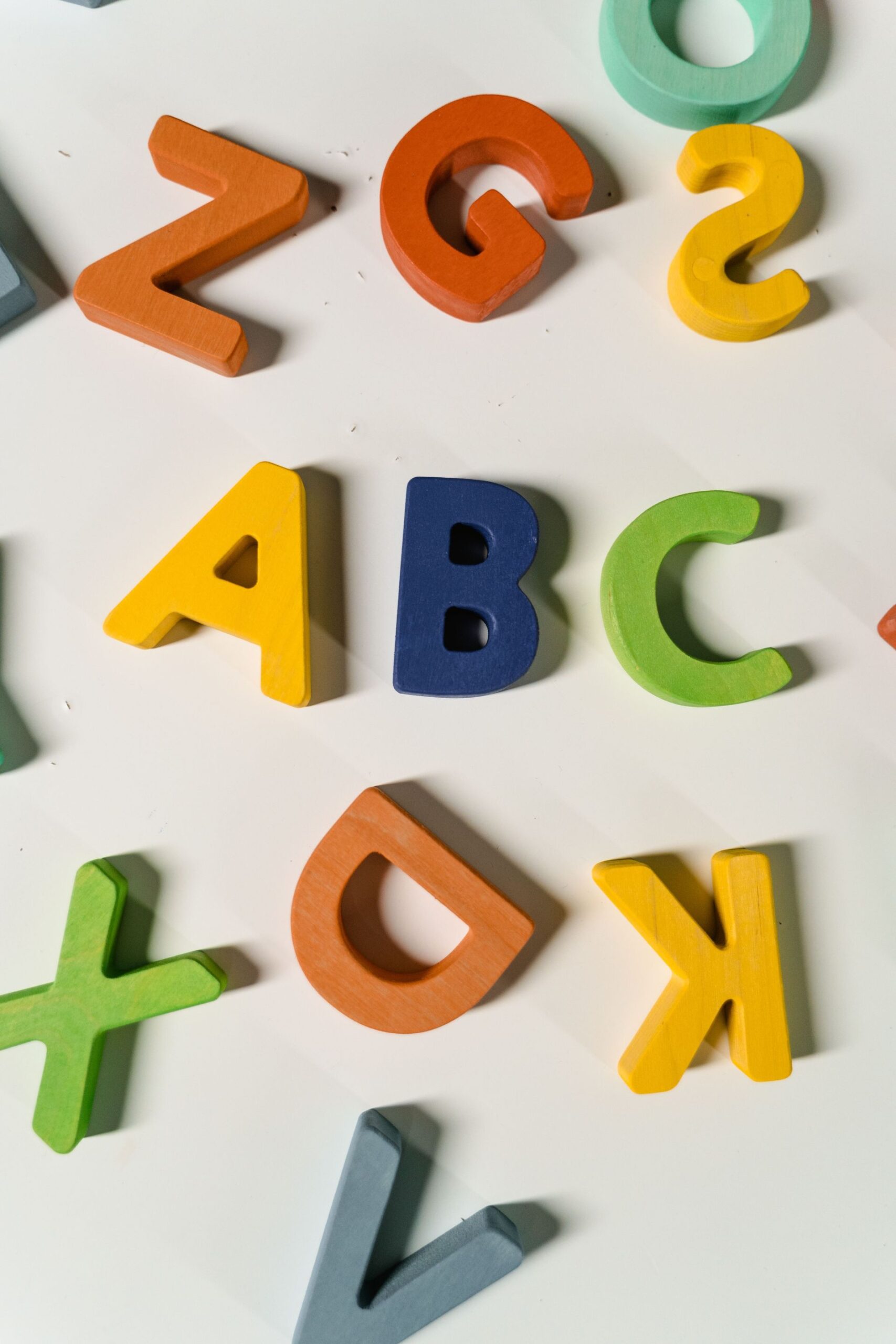
Every French learner starts in the same place: the alphabet. The good news is that French uses the same 26 letters as English. What changes is how they sound, plus a handful of accents that change pronunciation and sometimes meaning. Here is what every beginner, child or adult, should know.
Tip: say each letter out loud as you read this guide. Hearing your own voice is one of the fastest ways to remember new sounds.
How the French alphabet sounds
Most French letters look familiar but sound different. A sounds like “ah”, E like “uh”, and I like “ee”. U is a sound English doesn’t have: round your lips as if to say “oo”, then say “ee”. The French R is made at the back of the throat, almost like a soft gargle. H is nearly always silent, so hôtel sounds like “o-tel”. Many final consonants are silent too: you don’t hear the t in petit or the s in Paris. A good rule for beginners is that the last letters C, R, F and L (think of the word “careful”) are usually pronounced, while most others are not.
The five French accents
- é (accent aigu): a clear “ay” sound, as in café
- è (accent grave): an open “eh” sound, as in mère (mother)
- ê (accent circonflexe): also “eh”, as in fête (party)
- ç (cédille): makes the c sound like an s, as in français
- ë (tréma): tells you to say two vowels separately, as in Noël
Accents are not decoration. They change sounds, and sometimes meaning: a means “has” while à means “to” or “at”, and ou means “or” while où means “where”. The best way to learn them is little and often. Spell your name out loud in French, read street signs and food labels, and sing the alphabet song with your child. Ten minutes a day will take you further than one long session a week. When you are ready for the next step, a teacher can listen to your pronunciation and help you fix small habits before they stick.
Watch: The French alphabet A–Z, a free pronunciation lesson from Toyo